Skip to content
Joe Sheehan Is Bad For Sheboygan
Menu

Wisconsin Assembly District 26

Joe Sheehan is
bad for Sheboygan.

That’s our view. Here’s the record behind it.

Sheehan voted against school-parent notification and data-center safeguards, and sponsored new firearm restrictions. Explore these and other votes and proposals, with links to the official documents.

2025–26 legislative session · Reviewed October 7, 2026

01Education
An empty classroom with rows of desks and a chalkboard
An empty classroom · Illustrative photo

Schools and parents

School spending, parent notification, student records, and the rules for sports and locker rooms.

AB613Voted no

Notifying parents about lost classroom instruction

Would require written notice to parents or guardians of every pupil in a class when a pupil’s removal diminishes instructional time. Notice would generally be electronic and due by 5 p.m. that day.

: Notifying parents about lost classroom instruction

Sheehan’s action: Voted no on Assembly passage of the measure as amended. November 19, 2025.

Outcome: Passed the Assembly, but the Senate failed to concur on March 23, 2026. Did not become law.

Context: Assembly Amendment 1 added protections and notification exceptions tied to a pupil’s individualized education program. A violent incident would still require notice. The introduced text also required notice for whole-class removals for legally required safety drills.
SB320Sponsored

Taxpayer-funded LGBTQIA+ training for school staff

Would direct the Department of Public Instruction to award grants to school boards for LGBTQIA+ rights training for school counselors and social workers, using a program developed or approved by DPI.

: Taxpayer-funded LGBTQIA+ training for school staff

Sheehan’s action: Listed as an Assembly cosponsor in the official SB320 history.

Outcome: Did not pass. The official history records failure on March 23, 2026. This proposal did not become law.

Context: The bill concerns training for specified school employees. It does not itself prescribe a new classroom curriculum for students.

SB495Sponsored

Public-records rules for charter and choice schools

Would subject charter schools and private schools participating in parental choice programs to Wisconsin’s public-records and open-meetings laws.

: Public-records rules for charter and choice schools

Sheehan’s action: Listed as an Assembly cosponsor in the official SB495 history.

Outcome: Did not pass. The official history records failure on March 23, 2026. This proposal did not become law.

Context: The proposal is not a rule for every private school. It expressly exempts records concerning individual pupils from public-records disclosure.

AB103Voted no

Parental authorization for names and pronouns

Would require school-board policies for changes to official pupil records and for staff use of a minor’s names and pronouns. The amended text required written, notarized parental authorization for specified changes or usage.

: Parental authorization for names and pronouns

Sheehan’s action: Voted no on Assembly passage of the measure as amended. March 20, 2025.

Outcome: Passed the Legislature, then vetoed by the governor. The veto stood; the bill did not become law.

Context: Shortened versions of a pupil’s legal first or middle name were exempt from the usage authorization requirement. Adults could request record changes themselves; federal student-record rights were preserved.

AB100Voted no

School sports and locker-room privacy

Would designate school athletic teams as male, female, or coed, based on biological sex at birth; exclude male pupils from female teams; and require locker rooms designated for one biological sex.

: School sports and locker-room privacy

Sheehan’s action: Voted no on Assembly passage of the measure as amended. March 20, 2025.

Outcome: Passed the Legislature, then vetoed by the governor. The veto stood; the bill did not become law.

Context: Covered public schools, independent charter schools, and private choice schools. The amended text included locker-room exceptions for emergencies, staff duties, medical care, and assistance, and allowed qualifying accommodations.

AB102Voted no

College sports and locker-room privacy

Would apply sex-based athletic-team designations and female-team eligibility requirements to UW institutions and technical colleges, along with rules reserving designated locker rooms by biological sex.

: College sports and locker-room privacy

Sheehan’s action: Voted no on Assembly passage of the measure as amended. March 20, 2025.

Outcome: Passed the Legislature, then vetoed by the governor. The veto stood; the bill did not become law.

Context: The amended text included coed teams, specified locker-room exceptions, and accommodation provisions. A no vote opposed this legislative package; it did not itself create a new locker-room policy.

02The economy
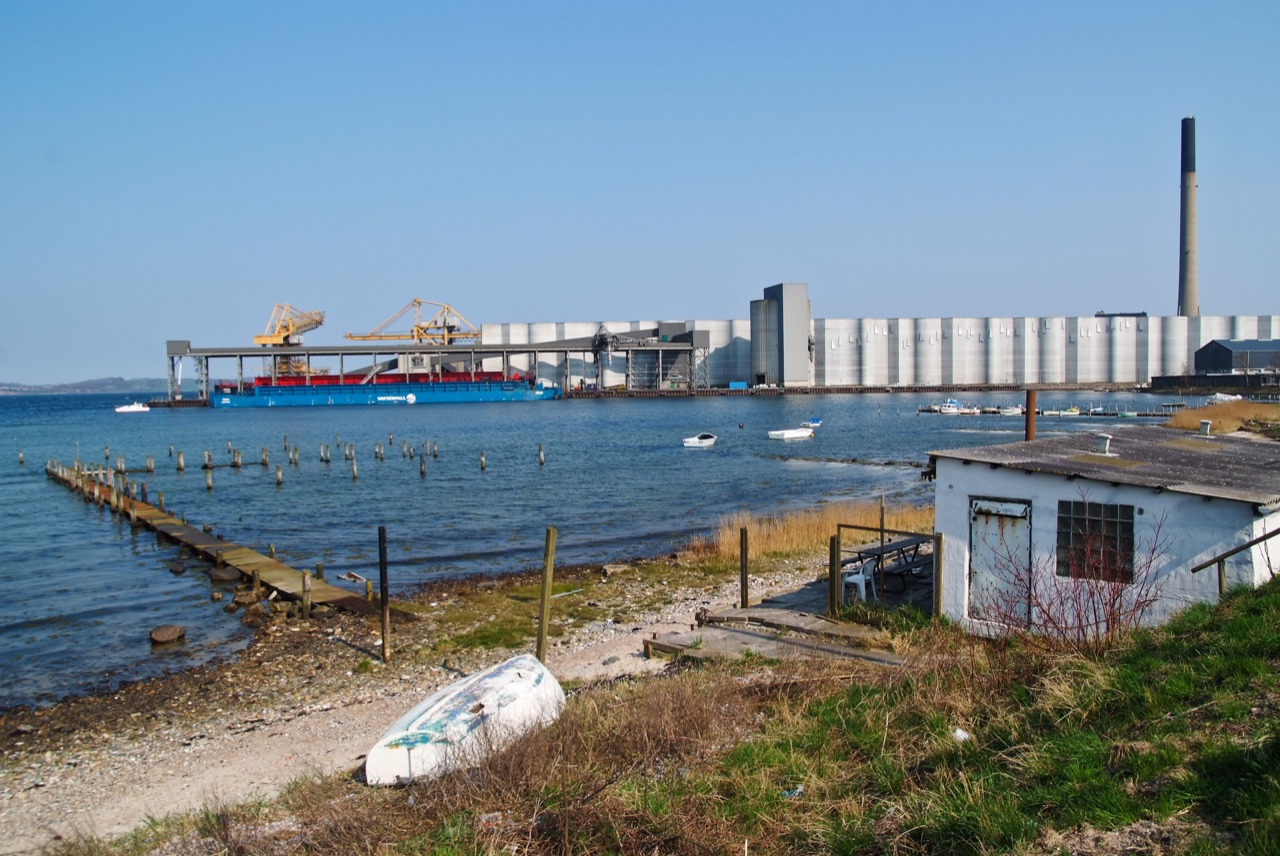
Industrial buildings and smokestacks at a power station
Energy infrastructure in Aabenraa, Denmark · Illustrative photo

Taxes, jobs and infrastructure

The budget, utility bills, manufacturing policy, conservation spending, and workplace rules.

SB45Voted no

The budget containing over $1.5 billion in tax reductions

Sheehan voted against the 2025–27 budget package. The governor’s signed-budget message reports more than $1.5 billion in tax reductions over the biennium, including income-tax changes and relief on residential energy bills.

: The budget containing over $1.5 billion in tax reductions

Sheehan’s action: Voted no on Assembly concurrence of the measure as amended. July 2, 2025.

Outcome: Signed with partial vetoes as 2025 Wisconsin Act 15 on July 3, 2025. The enacted budget became law.

Context: This was a vote on the entire budget, including spending and policy provisions, rather than a standalone vote on tax cuts. The amount describes the enacted budget in the governor’s message, not an annual $1.5 billion cut.

AB840Voted no

Data-center electricity costs and water use

Would prohibit shifting utility costs of serving large data centers to other customers. The adopted substitute also required annual water-use reporting and closed-loop cooling or a system using no more water.

: Data-center electricity costs and water use

Sheehan’s action: Voted no on Assembly passage of the measure as amended. January 20, 2026.

Outcome: Passed the Assembly, but the Senate failed to concur on March 23, 2026. Did not become law.

Context: The package also required on-site renewable energy serving the data center, reclamation security, and specified restoration of unfinished sites. Its large-data-center definition used an information-technology load exceeding 20 gigawatt-hours of consumption or 100 megawatts of demand. Some requirements exempted existing or already-under-construction facilities.

AB145Sponsored

A statewide carbon-reduction plan

Would require the Legislature to pass a viable plan to reduce carbon emissions by 52% by 2030 and achieve carbon-neutral emissions by 2050, with an emphasis on economic and racial equity.

: A statewide carbon-reduction plan

Sheehan’s action: Listed as an Assembly coauthor in the official AB145 history.

Outcome: Did not pass. The official history records failure on March 23, 2026. This proposal did not become law.

Context: The bill directs the Legislature to create plans. It does not itself impose a specific factory closure, manufacturing quota, or quantified economic loss.

AB875Sponsored

$1.8 million for county climate-resiliency staff

Would make $1.8 million in state general-purpose funding available for county conservation staff focused on climate change and resiliency through the existing Soil and Water Resource Management program.

: $1.8 million for county climate-resiliency staff

Sheehan’s action: Listed as an Assembly coauthor in the official AB875 history.

Outcome: Did not pass. The official history records failure on March 23, 2026. This proposal did not become law.

Context: Counties would have to request this funding in their annual grant applications. The bill would not force every county to hire climate-change staff.

AB470Sponsored

Repealing Wisconsin’s right-to-work law

Would repeal prohibitions against making union membership or payments a condition of employment and establish rules for all-union agreements.

: Repealing Wisconsin’s right-to-work law

Sheehan’s action: Listed as an Assembly coauthor in the official AB470 history.

Outcome: Did not pass. The official history records failure on March 23, 2026. This proposal did not become law.

Context: The proposal includes conditions for entering, continuing, and terminating all-union agreements. It is not simply an order that all Wisconsin workers must join a union.

03Safety & security
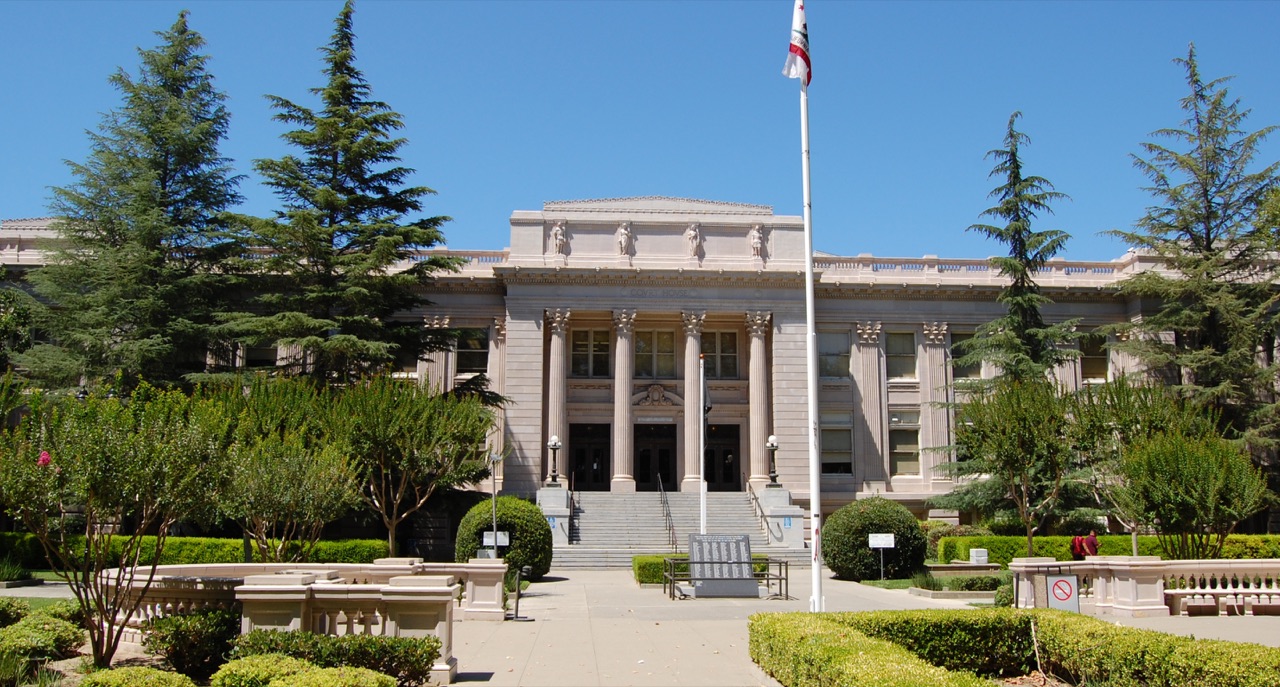
The entrance and facade of a courthouse
Yolo County Courthouse, California · Illustrative photo

Public safety and immigration

Victim restitution, criminal defenses, federal immigration cooperation, tuition eligibility, and foreign property ownership.

AB87Voted no

Trafficking restitution—and felony voting rights

Would require immediate restitution after a human-trafficking conviction and execution against a defendant’s property if payment was not made. It also would delay restoration of felony voting rights until financial obligations and ordered community service were completed.

: Trafficking restitution—and felony voting rights

Sheehan’s action: Voted no on Assembly passage of the measure. March 13, 2025.

Outcome: Passed the Legislature, then vetoed by the governor. The veto stood; the bill did not become law.

Context: Restitution for crime victims already exists under current law. This proposal changed the collection requirements for trafficking cases and included a separate voting-rights provision; a no vote does not identify which provision motivated the legislator.

AB24Voted no

County cooperation with federal immigration enforcement

Would require sheriffs to seek proof of lawful presence from people jailed for felony-punishable offenses and comply with qualifying federal immigration detainer requests accompanied by an administrative warrant.

: County cooperation with federal immigration enforcement

Sheehan’s action: Voted no on Assembly passage of the measure as amended. March 18, 2025.

Outcome: Passed the Legislature, then vetoed by the governor. The veto stood; the bill did not become law.

Context: The amended measure applied the detainer requirement to people held for felony-punishable offenses, included federal reimbursement requests, and tied compliance certification to a 15% reduction in specified county shared-revenue payments.

SB7Voted no

Foreign-adversary property ownership

The amended bill would prohibit defined foreign principals associated with listed foreign adversaries from acquiring or holding interests in Wisconsin real property. The restrictions extended beyond farmland.

: Foreign-adversary property ownership

Sheehan’s action: Voted no on Assembly concurrence of the measure as amended. January 22, 2026.

Outcome: Passed the Legislature, then vetoed by the governor. The veto stood; the bill did not become law.

Context: The final package also barred eminent domain for developing or facilitating wind and solar facilities. It defined covered foreign principals, excluded qualifying permanent residents and visa holders from its individual category, and protected interests acquired before the effective date.

AB1232Sponsored

Resident tuition rates for qualifying DACA students

Would allow UW System students with approved DACA deferred-action status to pay resident tuition if they had lived in Wisconsin for the 12 months immediately preceding the relevant semester or session.

: Resident tuition rates for qualifying DACA students

Sheehan’s action: Listed as an Assembly coauthor in the official AB1232 history.

Outcome: Did not pass. The official history records failure on March 23, 2026. This proposal did not become law.

Context: The bill is limited to approved DACA recipients who meet the residence condition. It is not an in-state tuition exemption for every undocumented immigrant.

AB361Sponsored

Limits on identity-based criminal defenses

Would restrict adequate-provocation and self-defense claims when the criminal action results from discovering, knowing, or potentially disclosing the victim’s sexual orientation or gender identity. It also addresses related mental-disease-or-defect claims.

: Limits on identity-based criminal defenses

Sheehan’s action: Listed as an Assembly coauthor in the official AB361 history.

Outcome: Did not pass. The official history records failure on March 23, 2026. This proposal did not become law.

Context: The text specifically includes nonviolent romantic or sexual advances. It does not remove self-defense merely because an assailant is gay or transgender; the proposed limitation is tied to the basis for the criminal action.

04Second Amendment
A sporting bolt-action rifle displayed without people
A sporting bolt-action rifle · Illustrative photo

Firearm laws

Five bill numbers, three proposals: two Senate/Assembly companion pairs and one separate transfer-check measure.

SB330 / AB324Sponsored

A 48-hour wait for dealer handgun purchases

Would prevent a licensed dealer from delivering a purchased handgun until the required 48-hour period had elapsed, even if the background check cleared sooner.

: A 48-hour wait for dealer handgun purchases

Sheehan’s action: Listed as an Assembly cosponsor of SB330 and a coauthor of its companion AB324.

Outcome: Did not pass. The official history records failure on March 23, 2026. This proposal did not become law.

Context: These companion bills concerned dealer handgun sales, not a separate waiting period for every rifle, shotgun, or private sale. The LRB analysis describes the clock from the dealer’s request; the operative provision measures it from receipt of DOJ’s confirmation number. Existing restrictions for unresolved or disqualifying checks would still apply.

SB332 / AB321Sponsored

Undetectable firearms, plans, and unserialized components

Would create felony offenses for specified activities involving undetectable firearms, for providing or possessing their manufacturing plans, and for possessing an unattached frame or receiver without a serial number.

: Undetectable firearms, plans, and unserialized components

Sheehan’s action: Listed as an Assembly cosponsor of SB332 and a coauthor of its companion AB321.

Outcome: Did not pass. The official history records failure on March 23, 2026. This proposal did not become law.

Context: The classifications were Class G for undetectable firearms, Class H for manufacturing plans, and Class I for the specified unserialized components. The component ban excluded pre-1968 frames or receivers; official-duty exceptions applied in specified circumstances. This is narrower than a ban on every assembled unserialized firearm.

SB336Sponsored

Dealer processing for most private firearm transfers

Would generally require firearm ownership transfers to occur to or through a licensed dealer with a background check, extending Wisconsin’s dealer-check process beyond handgun sales.

: Dealer processing for most private firearm transfers

Sheehan’s action: Listed as an Assembly cosponsor in the official SB336 history.

Outcome: Did not pass. The official history records failure on March 23, 2026. This proposal did not become law.

Context: Exceptions included antiques, specified dealer or agency transfers, and qualifying gifts, bequests, or inheritances to family members aged 18 or older who could lawfully possess firearms. Family sales were not exempt. Intentional violations carried a $500–$10,000 fine, possible imprisonment of up to nine months, and a two-year firearm-possession prohibition; dealer processing costs could apply.

05Election rules
An unoccupied historic voting booth
A historic voting booth in Connecticut · Illustrative photo

Voter ID

Sheehan’s vote on placing Wisconsin’s photo-identification requirement in the state constitution.

SJR2Voted no

A constitutional photo-ID requirement

Would put a requirement for photographic identification into Wisconsin’s constitution, while authorizing statutory exceptions and an opportunity to cast a provisional ballot and provide identification later.

: A constitutional photo-ID requirement

Sheehan’s action: Voted no on Assembly concurrence of the measure. January 14, 2025.

Outcome: Passed the Legislature and was published as 2025 Enrolled Joint Resolution 1. Wisconsin voters subsequently approved the constitutional amendment in April 2025.

Context: Wisconsin already had a statutory photo-ID requirement. This was second consideration of a constitutional amendment and submission to voters, not the first creation of voter ID. Sheehan’s no vote does not establish that he opposed every form of voter identification.

06Medical policy
An empty radiography room with medical equipment
Radiography equipment in Montréal · Illustrative photo

Health care

Abortion law, medical interventions for minors, and restrictions on conversion therapy.

SB271Sponsored

Abortion restrictions and public-employee health coverage

Joins the 100% pro-death no exceptions policy on abortion and forces insurance to cover abortion regardless of conscience.

: Abortion restrictions and public-employee health coverage

Sheehan’s action: Listed as an Assembly cosponsor in the official SB271 history.

Outcome: Did not pass. The official history records failure on March 23, 2026. This proposal did not become law.

Context: The bill retained standard informed-consent requirements and did not repeal the general viability restriction identified in its LRB analysis. It also would remove restrictions on exchange-plan abortion coverage, rather than require every private insurance policy to cover abortion. Its text should not be summarized simply as “no limits.”

AB104Voted no

Medical gender-transition interventions for minors

Would prohibit health care providers from performing or referring for specified gender-transition interventions on people under 18, including certain surgeries, puberty blockers, and cross-sex hormones.

: Medical gender-transition interventions for minors

Sheehan’s action: Voted no on Assembly passage of the measure. March 20, 2025.

Outcome: Passed the Legislature, then vetoed by the governor. The veto stood; the bill did not become law.

Context: The text included exceptions for specified sex-development disorders, treatment of complications, and serious physical conditions. The prohibition was broader than surgery alone and included professional-license revocation for violations.

SB324Sponsored

Conversion-therapy restrictions for licensed providers

Would prohibit specified licensed mental health providers from engaging in conversion therapy with minors, defined as interventions aimed at changing sexual orientation or gender identity.

: Conversion-therapy restrictions for licensed providers

Sheehan’s action: Listed as an Assembly cosponsor in the official SB324 history.

Outcome: Did not pass. The official history records failure on March 23, 2026. This proposal did not become law.

Context: The bill excludes supportive counseling, identity exploration, and specified neutral interventions. It would require licensing boards to investigate allegations and limit, suspend, or revoke professional authorization after a violation.

07Culture & family
The Wisconsin State Capitol seen from outside in Madison
Wisconsin State Capitol, Madison · Illustrative photo

Other anti Sheboygan values

Our editorial concerns about public observances and changes to family-law language and name-change procedures.

SJR108Sponsored

Recognizing Indigenous Peoples Day

Would recognize the second Monday in October as Indigenous Peoples Day, citing Wisconsin’s Indigenous nations, history, and continuing contributions.

: Recognizing Indigenous Peoples Day

Sheehan’s action: Listed as an Assembly cosponsor in the official SJR108 history.

Outcome: Failed to adopt on March 23, 2026. The resolution was not adopted.

Context: This is a recognition resolution. Its text does not expressly repeal Columbus Day or amend Wisconsin’s statutory holiday list.

AB314Sponsored

Marriage and parentage terminology

Would replace statutory husband-and-wife references with gender-neutral spouse terminology and revise parentage provisions and terminology to recognize same-sex marriage and parentage rights.

: Marriage and parentage terminology

Sheehan’s action: Listed as an Assembly coauthor in the official AB314 history.

Outcome: Did not pass. The official history records failure on March 23, 2026. This proposal did not become law.

Context: The proposal’s stated purpose includes aligning state statutes with the U.S. Supreme Court’s same-sex-marriage ruling. It changes legal terminology and rights; it does not ban people from using the words mother, father, husband, or wife.

AB215Sponsored

Privacy for gender-identity name changes

Would create an exception to newspaper-publication requirements for name-change petitions seeking to match a person’s gender identity, without requiring a showing that publication would endanger the petitioner.

: Privacy for gender-identity name changes

Sheehan’s action: Listed as an Assembly coauthor in the official AB215 history.

Outcome: Did not pass. The official history records failure on March 23, 2026. This proposal did not become law.

Context: A confidential petition would still require showing that the change was not intended to avoid debt or conceal a criminal record. This proposal concerns name-change privacy, not a general removal of gendered statutory language.

Read it for yourself

The record comes first.

You should be able to check every vote and every proposal without taking our word for it.

Joe Sheehan’s official District 26 website

Our approach. Bill descriptions come from Wisconsin Legislature documents, including adopted amendments. Vote links point to named Assembly roll calls. Sponsorship links point to official bill histories. We distinguish a vote on the whole measure from agreement or disagreement with any single provision.

Proposals are not laws. Each entry identifies its outcome. “Sponsored” does not mean a floor vote occurred. Senate and Assembly companion bills are grouped when they describe the same proposal.

Fact and opinion. This site’s title, “Our view” paragraphs, and “Other anti Sheboygan values” heading express editorial opinions. They do not establish a consensus among Sheboygan residents or an official finding about Sheehan.

Review date. October 7, 2026. Status descriptions reflect the official 2025–26 record reviewed on that date. Source documents remain the authority if this page and the record differ.

Photo credits and licenses

Sunlit empty classroom with desks and blackboard: Barry Zhou. Original photo · Unsplash License · Resized and JPEG-compressed; displayed with a layout crop. Adapted images retain the source license.

Coal-fired power station in Aabenraa, Denmark: Arne List. Original photo · CC BY-SA 3.0 · Resized and JPEG-compressed; displayed with a layout crop. Adapted images retain the source license.

Yolo County Courthouse exterior, Woodland California: Epolk; crop by Cristiano Tomas. Original photo · CC0 1.0 · Resized and JPEG-compressed; displayed with a layout crop. Adapted images retain the source license.

Weatherby Mark V sporting bolt-action rifle, no people: Arthurrh. Original photo · CC BY-SA 3.0 · Resized and JPEG-compressed. Image retains CC BY-SA 3.0.

Example voting booth at Old State House in Hartford Connecticut: Kenneth C. Zirkel. Original photo · CC0 1.0 · Resized and JPEG-compressed; displayed with a layout crop. Adapted images retain the source license.

Empty radiography room and medical equipment at CHUM: Calvin411. Original photo · CC BY-SA 4.0 · Resized and JPEG-compressed; displayed with a layout crop. Adapted images retain the source license.

Wisconsin Capitol exterior in Madison: Yinan Chen. Original photo · Public domain dedication · Resized and JPEG-compressed; displayed with a layout crop. Adapted images retain the source license.

Photos illustrate policy topics. They do not depict the events described or imply anyone pictured endorses this site.